
Call Us Today 630-780-1034

- Home
- Team
- Estate Planning
- Comprehensive, Risk-Managed Estate Planning
- The Risks Most Families Never See Coming
- Why Traditional Estate Planning Often Falls Short
- Living Trust and Probate Avoidance
- Special Needs Trusts
- Trust Funding
- Inheritance and Beneficiary Planning
- Divorce & Creditor Protection for Children
- Family Transitions & Wealth Preservation
- Protection Planning for Minor Children
- Protecting an Inheritance for a Vulnerable Beneficiary
- Family Protection and Incapacity Planning
- Planning for Long-Term Care and Health Risks
- Retirement and Estate Planning for Seniors
- Planning for Blended & Non-Traditional Families
- Protecting Children's Inheritances
- Blended Family Estate Planning for Seniors
- Estate Planning for Second Marriages
- Estate Planning for Stepchildren
- Protecting Children While Providing for a Spouse
- Estate Planning for Estranged Children
- Estate Planning for Sibling Conflict
- Estate Planning for Families with Complicated Relationships
- Family Wealth Preservation & Estate Tax Planning
- Protecting Your Legacy: Lawsuit, Creditor, Divorce, and Long-Term Care Protection
- Asset Protection & Professional Planning
- How Gateville Law Firm is Different
- Probate & Estate Administration
- Comprehensive, Risk-Managed Estate Planning
- Trust Administration
- Family Law
- Media
- Testimonials
- Videos
- News
- Estate Planning Resources
- Estate Planning 101: How to Protect Your Family, Home, and Assets in Illinois
- Set it and Forget it: Why Updating Your Estate Plan Is One of the Most Important Things You Can Do
- The Risk of Beneficiary Designations and Payable on Death Accounts in Illinois
- What Happens if I Die Without a Will or Trust in Illinois?
- What Is Probate?
- What Is the Difference Between a Will and a Living Trust in Illinois?
- Events
- Blog
- Contact
The Hidden Dangers of Joint Ownership and Transfer-on-Death Accounts
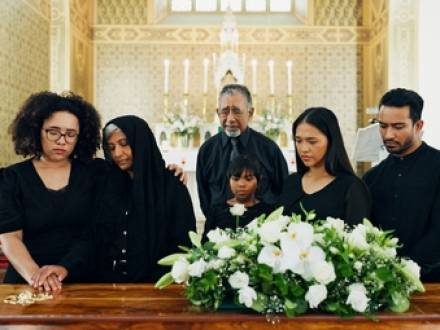 Adding a child's name to your house deed or bank account seems like a simple way to avoid probate. Many people believe this small paperwork change will make things easier for their families. Unfortunately, this shortcut is one of the most common estate planning mistakes, and it can create serious financial and legal problems that take years to fix.
These quick fixes often override your actual wishes and expose your assets to risks you never considered. Our Aurora, IL estate planning attorney has 20 years of experience and can help you avoid mistakes like this. We start by making sure we truly understand your long-term goals, and then work backward to find great solutions.
How Do Joint Ownership and Transfer-on-Death Accounts Work?
When you add someone's name to a deed or bank account as a joint owner, you create what Illinois law calls a joint tenancy with right of survivorship. Under 765 ILCS 1005/1, this means that when one owner dies, the surviving owner immediately and automatically owns the entire asset. The same principle applies to transfer-on-death and payable-on-death account designations.
The critical point most people miss is that these arrangements always override your will or trust. It does not matter what your estate planning documents say. The moment you die, joint accounts and TOD designations transfer directly to the named person, completely bypassing your other instructions.
What Happens When Joint Ownership Overrides Your Will?
This problem hits blended families especially hard. Consider a father who writes a will leaving his estate equally to his three children from a prior marriage. After remarrying, he adds his new spouse to the deed of his home and his main investment account to make managing finances easier.
When he dies, his spouse immediately owns those assets outright. His will becomes irrelevant for that property and that account. His three children receive nothing from those assets, even though he clearly intended otherwise.
Unfortunately, disputes over inheritance are among the leading causes of family litigation. These court battles can drag on for months and cost tens of thousands of dollars in legal fees. The emotional damage to family relationships is often permanent.
Can Creditors Go After Joint Accounts You Share with Your Children?
Adding your child's name to your account does not just give your child future access. It gives them an immediate legal ownership interest right now. This means your assets become exposed to their financial problems.
Your account can become fair game if your adult child:
- Gets sued after a car accident
- Goes through a divorce
- Faces business debts
- Has creditors chasing them for any reason
This means creditors can pursue your money. Divorce courts can consider it marital property. A lawsuit judgment can place a lien on your jointly held real estate. You intended to give your child an inheritance, but instead, you may have handed your life savings over to their creditors.
Why Do Joint Accounts Create Unequal Inheritances?
Many parents add one child to their bank account for practical reasons. They want someone who can pay bills if they become hospitalized or need help managing finances. The problem is that this arrangement often creates an unequal distribution that the parent never intended.
When the parent dies, the child listed on the account legally owns all of that money immediately. They have no legal obligation to share it with their siblings, even if the parent's will says everything should be divided equally. This situation breeds resentment, accusations, and lawsuits among siblings.
There is another hidden danger as well. If that child later needs long-term care and applies for Medicaid, the joint account counts as their asset. They must spend it down before qualifying for assistance. If they try to give the money to siblings, Medicaid will impose penalty periods for improper asset transfers.
How Can You Transfer Property Without The Risks of Joint Ownership?
The safest way to avoid probate while protecting your wishes is through a properly funded revocable living trust. A trust allows you to maintain complete control of your assets while you are alive and healthy. It ensures your property goes exactly where you want it to go after you pass away.
Unlike joint ownership, a trust cannot be overridden by accidental beneficiary designations. It also protects your assets from your beneficiaries' creditors and prevents the need for guardianship court if you become incapacitated.
Call a Kendall County, IL Estate Planning Lawyer Today
Do not let a simple paperwork decision create lasting problems for your family. Our Aurora estate planning attorney at Gateville Law Firm has over 20 years of experience helping families protect their assets.
With advanced skills in real estate matters, we can guide you through property transfers the right way. Call Gateville Law Firm at 630-780-1034 to schedule a consultation and learn how a properly structured trust can give you peace of mind.










Gateville Law Firm
provides excellent estate
planning service.

"Sean's team is knowledgeable, responsive, and dedicated to ensuring clients feel confident in their decisions. Sean & Connie take the time to answer questions thoroughly, making complex legal matters easy to understand."


In Service of Your Wealth
If you own assets with a value in excess of $1 million, it is crucial to take steps to ensure that your wealth will be preserved and passed on to future generations. Failure to do so could lead to financial losses due to lawsuits, actions by creditors, or other issues. You will also need to be aware of potential estate taxes that may apply at both the state and federal levels. When working with our attorneys, you can make sure your wealth will be properly preserved.
Our estate planning team can provide guidance on the best asset protection options that are available to you. With our help, you can reduce the value of your taxable estate to ensure that more of your wealth will be preserved for future generations. We can also help you use asset protection trusts or other methods to make sure your property will be safeguarded. Our goal is to provide you with assurance that your family will be prepared for whatever the future may bring.
Blog
Your Aging Parent Needs More Help. What Legal and Financial Steps Come Next?
Posted on October 2, 2026 in Estate Planning
Essential Estate Planning Before a Health Crisis
Posted on September 23, 2026 in Incapacity Planning
Can You Protect Your Assets If a Spouse Needs Nursing Home Care?
Posted on September 19, 2026 in Asset Protection & Wealth Preservation
|
Yorkville Office520 E Kendall Drive, Suite C |
Sign Up for
Our Seminar
From our office in Yorkville, we provide services to clients throughout Kendall County, Kane County, DeKalb County, LaSalle County, Grundy County, and the surrounding areas, including Aurora, Big Rock, Boulder Hill, Newark, Ottawa, Joliet, Leland, Morris, LaSalle, Minooka, Montgomery, Plainfield, Plano, Oswego, Sandwich, Somonauk, Sugar Grove, Mendota, Earlville, Serena, Sheridan, Marseilles, Lisbon, and Plattville.
Results listed are not a guarantee or indication of future case results.


520 E Kendall Drive, Suite C
Yorkville, IL 60560
630-780-1034


